Dental Care
Did you know that many pathologies exist below the gumline? Even if a tooth looks healthy above, the root may be diseased. Radiographs are essential for a complete evaluation and determining if extractions are necessary.
Not dealing with a pet’s dental problems, like neglecting any infection, can lead to serious consequences. Prompt attention will make a pet’s breath smell better, prevent infection from spreading through the bloodstream into the liver, kidneys, and heart valves, help to prevent tooth loss, and prevent the pet from experiencing further pain.
When your pet is in for a yearly health assessment, the veterinarian will evaluate your pet’s oral health. If treatment is necessary, the pet’s oral health will be graded as follows:
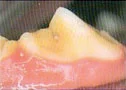
Grade 1 desease
initial gum disease and periodontitis
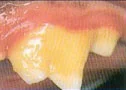
Grade 2 disease
early gum disease and periodontitis
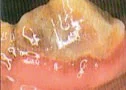
Grade 3 desease
moderate gum disease and periodontitis
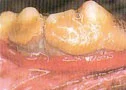
Grade 4 desease
advanced gum disease and periodontitis
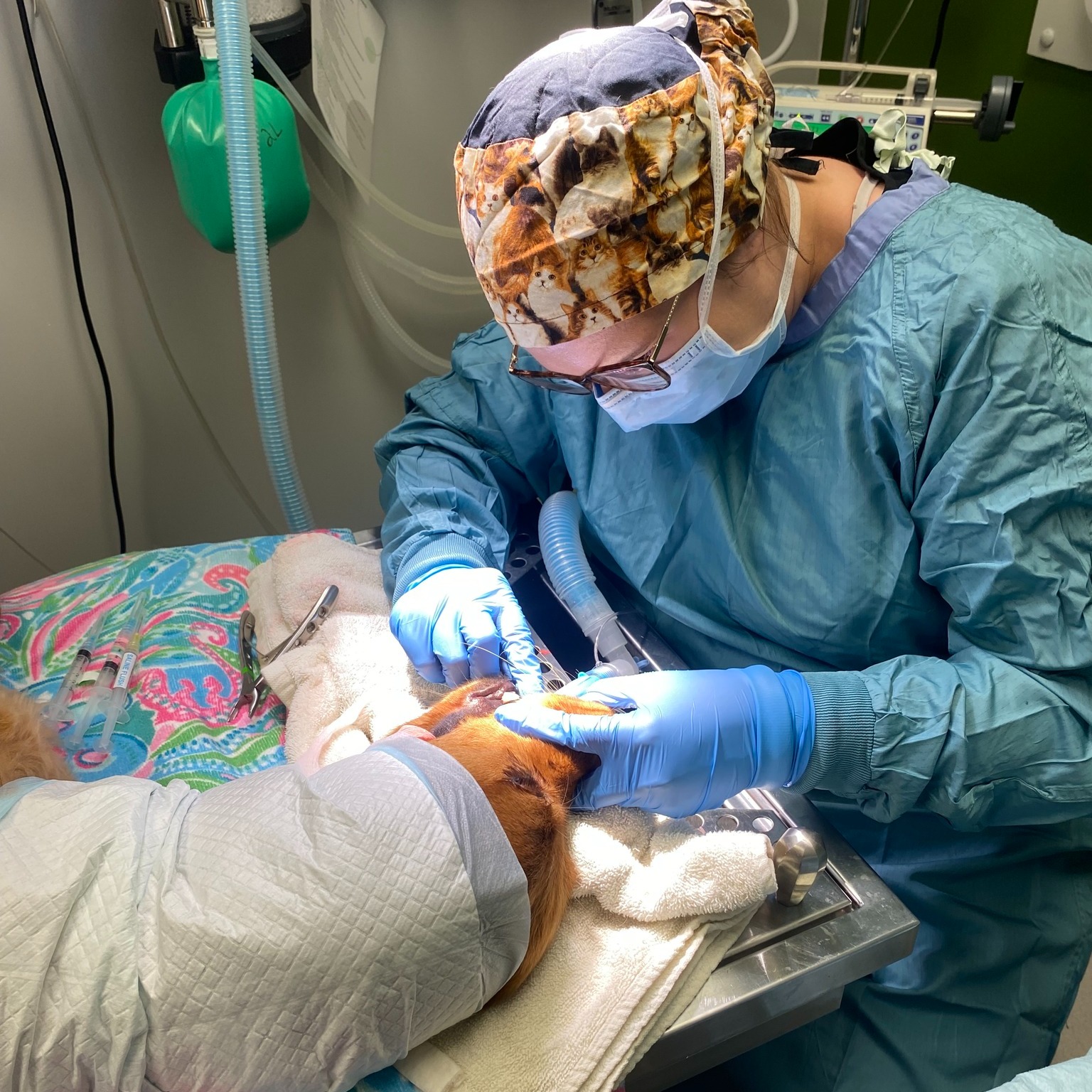
Treatment will consist of a professional cleaning, polishing, and fluoride treatment of the teeth to prevent further damage, health risks, and pain.
Also, in many gum disease cases, especially where Grade 3 or Grade 4 disease is evident, extraction of diseased teeth is often necessary to prevent further infection and pain. The difficulty of extracting various teeth depends on the size and number of roots a particular tooth has.
After treatment, it is important to continue preventive care at home.
Canine Dental Care
Preventative care is the most important aspect of good oral hygiene in your puppy. Brushing is a good start and is a relatively simple task you can begin with your new puppy.
Puppies have 28 deciduous (baby) teeth which begin to be replaced by adult teeth at around 14 weeks of age. The full set of 42 adult teeth are usually completely erupted by about 7 months of age. Dental care should start as early as six weeks of age.
To clean the teeth, the lips should be lifted to expose all of the teeth. Start by using a soft cloth or Q-tip and graduate to using a softened angled brush or a finger toothbrush. A dog toothpaste should also be used which has a pleasurable taste (mint, poultry, beef or malt) and is safe to swallow. The teeth should be brushed daily so tarter does not accumulate.
If brushing cannot be done everyday, other products can be used to help. CET chews can be fed once daily. Chew toys such as nylabones or gumabones may be used when your puppy becomes a healthy adult.These products are helpful in removing plaque above the gum line. Ask your veterinary staff about these items.
Without regular dental home care, periodontal disease or tarter buildup will develop. Therefore, a professional dental cleaning may be recommended.
Feline Dental Care
Preventive care is the most important aspect of good oral care in your cat. Brushing is a good start and is a relatively simple task.
To clean the teeth, the lips should be lifted slightly to expose the teeth. Start by using a soft cloth or Q-tip and gradually work up to using a small brush or finger toothbrush.
A specially formulated toothpaste for cats should be used as well. Toothpaste’s come in flavors such as malt, poultry and seafood and is safe for your cat to swallow.
The teeth should be brushed daily so that plaque does not accumulate and harden to tartar.
If brushing cannot be done every day, other products can be used to help. Dental chews or treats designed for cats may also be used. Without regular dental home care, periodontal disease or tartar build-up will develop and a professional dental cleaning may be required.
Your Pet’s Dental Day, Step by Step
Here’s exactly what happens from drop-off to discharge.
Pre-Surgical Workup
A physical exam, baseline vitals, and pre-surgical bloodwork (and an ECG if needed). We’ll contact you if any abnormalities require further diagnostics.
Induction
Sedation, IV catheter placement, eye lubrication, and a nail trim. Vitals are monitored before and during anesthetic induction through a breathing (endotracheal) tube.
Monitoring
A dedicated professional continuously monitors ECG, heart rate, respiratory rate, mucous membrane colour, CRT, temperature, blood pressure, SpO2, and EtCO2. We use the lowest effective anesthesia levels to keep your pet safe.
The Procedure
IV fluids support hydration and blood pressure, local anesthetic blocks manage pain, and we complete full-mouth charting — treating every tooth as its own patient — with extractions only if warranted.
Pain Management
CRI (Constant Rate Infusion) pumps deliver steady, continuous pain relief during extractions.
Scaling & Polishing
Teeth are scaled to remove calculus, then polished to smooth micro-scratches that would otherwise invite future bacteria build-up.
Antiseptic
We apply DentaChlor (0.12% chlorhexidine gluconate) to help control bacteria.
Recovery
Vitals are monitored until your pet is fully awake, then we’ll call you with discharge instructions and home-care routines.