Reptiles
What is reptile veterinary care?
Reptiles have unique and very specific care needs, and small mistakes in their setup can lead to serious health problems over time. Our team provides specialized care to keep your cold-blooded companion healthy.
From environment and nutrition to diagnostics, we help reptile owners get the details right — because with reptiles, the details are everything.
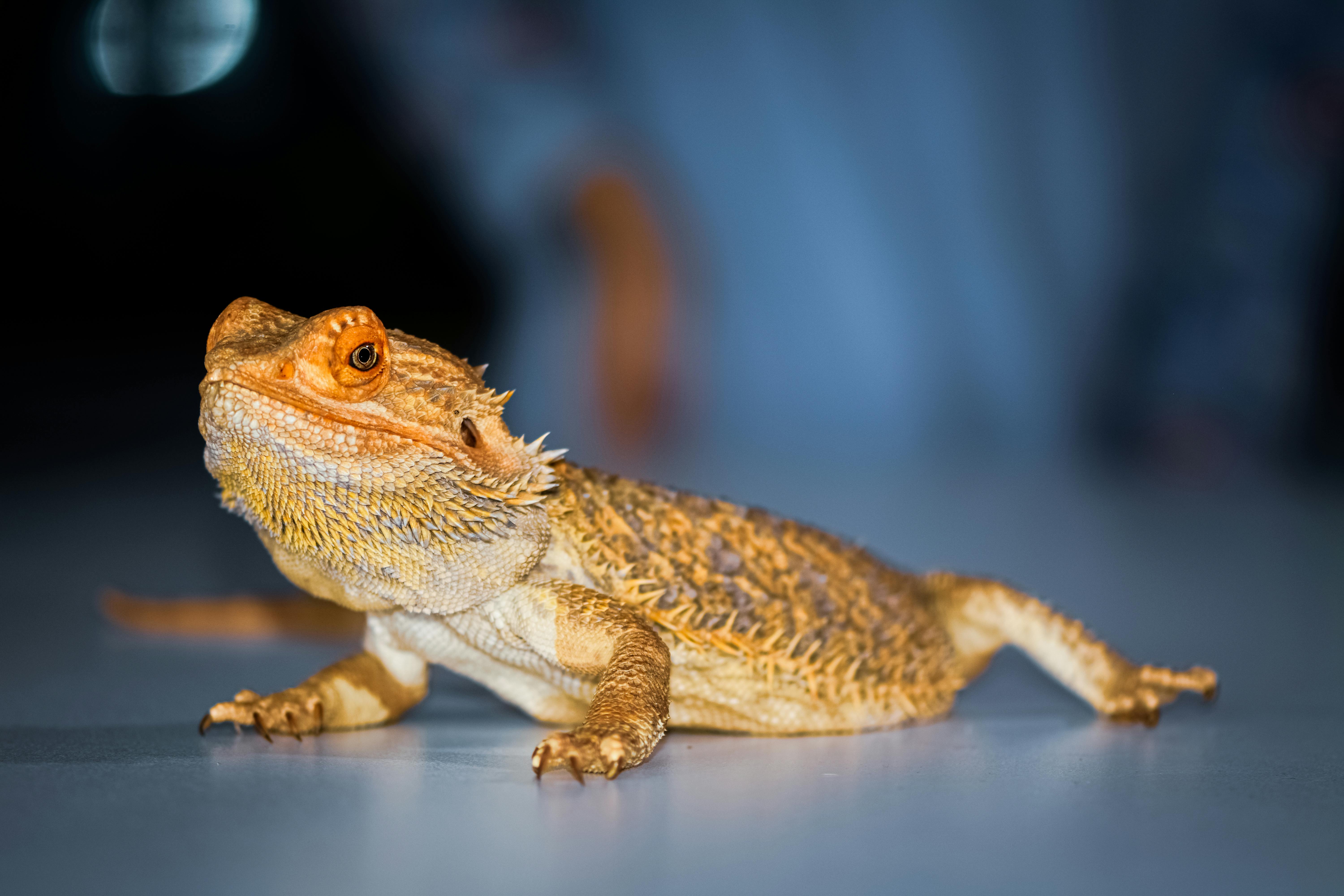
Caring for your reptile
Environmental consultation
An incorrect habitat is the number-one cause of illness in pet reptiles. We provide detailed advice on UV lighting (UVA and UVB), humidity levels, and thermal gradients, so your reptile’s enclosure supports their health rather than undermining it.
Heating & lighting reviews
Reptiles rely on their environment to regulate body temperature and process nutrients. We’ll review your basking temperatures, cool zones, and UVB setup to make sure your pet can thermoregulate and stay well.
Common procedures & diagnostics
Routine and diagnostic services tailored to reptiles:
- Sexing (probing)
- Fecal exams for parasites — very common in reptiles
- Bloodwork to check calcium and phosphorus levels
Some of these tests are sent to an external laboratory, so results may take a little longer to come back.
Parasite & bloodwork screening
Intestinal parasites are extremely common in reptiles and often show no obvious signs early on. Regular fecal exams and bloodwork help us catch parasites and mineral imbalances before they become serious.
Preventing Metabolic Bone Disease (MBD)
Metabolic Bone Disease is one of the most common — and most preventable — conditions we see in reptiles. It develops when a pet doesn’t get enough calcium or proper UVB lighting, causing the body to draw calcium from the bones. Over time this leads to weak, deformed bones, swelling, tremors, and difficulty moving.
The good news is that MBD is almost entirely preventable. The keys are a species-appropriate diet with the correct calcium-to-phosphorus balance, proper calcium and vitamin D3 supplementation, and adequate UVB exposure so your reptile can absorb that calcium. We’re happy to review your pet’s diet and lighting at any visit.
Species we welcome
Our team is experienced with a wide range of reptile patients, including:
Not sure if your reptile’s setup is right? Let’s review it together and keep them healthy for years to come.
Book an appointment
A Fear Free approach for exotics
Exotic pets have completely different stress triggers than dogs and cats — many are prey species for whom handling, noise, and new environments are genuinely frightening. We tailor our Fear Free techniques to each species, working calmly and patiently to keep your pet as relaxed as possible from the moment they arrive.
Transporting a reptile
Reptiles chill quickly in Newfoundland weather, and cold is dangerous for them. To keep them warm in transit:
- Use an insulated container with a heat pack (wrapped in cloth so it never touches the skin directly)
- Warm the car before your pet goes in
- Add a towel or substrate they can burrow into
- Keep the trip as short and direct as possible