Avian (Birds)
What is avian veterinary care?
Birds are part of the family too, and they need specialized care to stay healthy. Our team provides wellness exams, nutrition guidance, and grooming for companion birds of all kinds.
Because birds instinctively hide signs of illness, regular veterinary care is one of the most important things you can do to keep your feathered friend thriving.
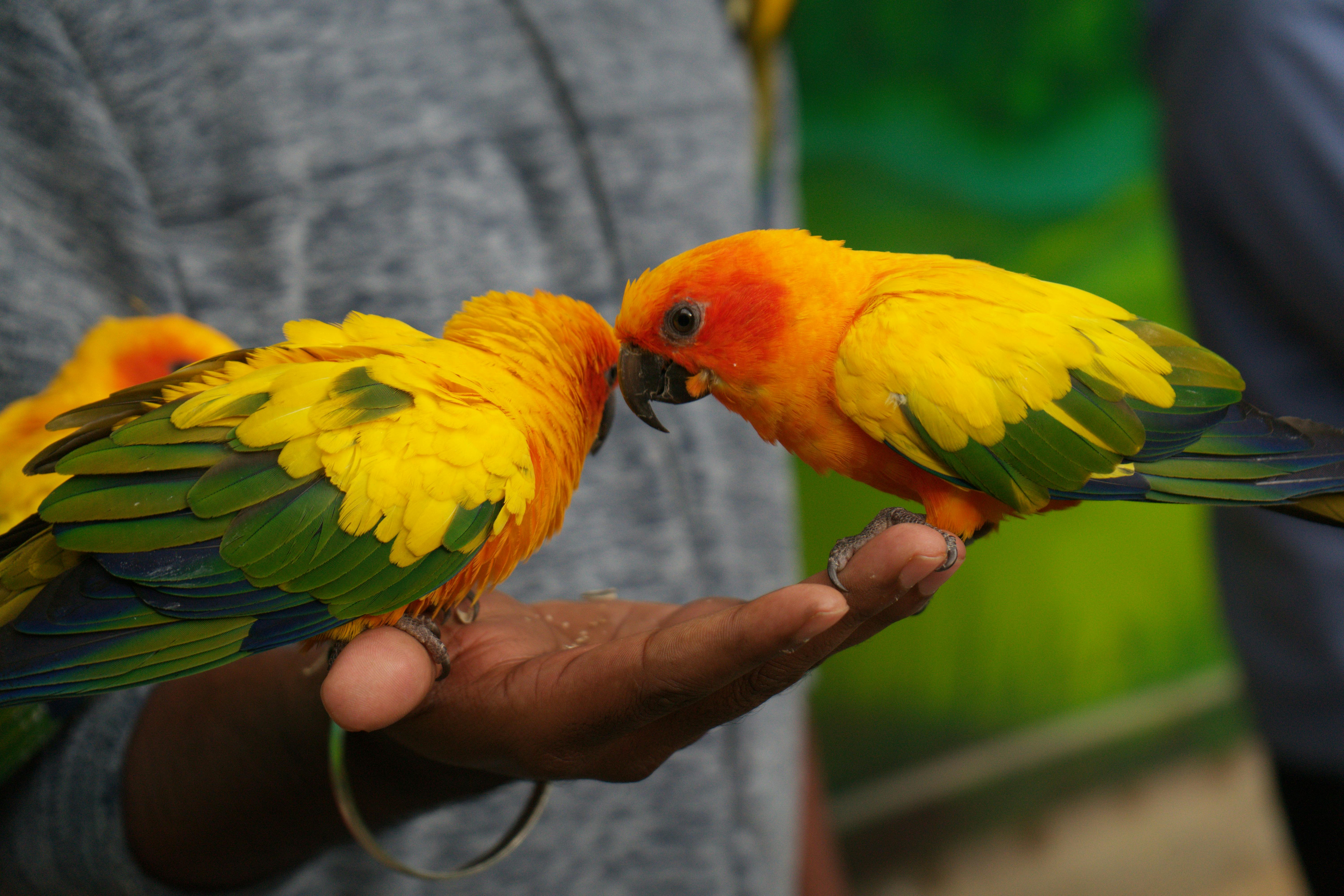
Caring for your bird
The importance of annual exams
Birds are masters at hiding illness, often appearing healthy until a condition is advanced. An annual wellness exam lets us catch problems early — we check for respiratory issues, assess feather health, and monitor weight to keep your bird in top condition.
Wellness & husbandry
Good day-to-day care prevents most avian health problems. We’ll review your bird’s housing, lighting, enrichment, and environment, and help you build habits that support a long, healthy life.
Grooming services
Gentle, low-stress grooming to keep your bird comfortable and safe:
- Beak trims
- Wing clips (only if requested)
- Nail trims
Weight & respiratory checks
Subtle weight loss and breathing changes are among the earliest warning signs in birds. We track your bird’s weight over time and listen carefully to their respiratory system at every visit.
Dietary optimization
One of the most common questions we hear is “seeds or pellets?” An all-seed diet is a leading cause of illness in pet birds, but the ideal balance depends on your bird’s species. We’ll build a feeding plan tailored to your bird.
Psittacines
Parrots, budgies, cockatiels, macaws
Hookbills generally do best on a formulated pellet base supplemented with fresh vegetables and limited fruit, with seeds and nuts offered sparingly as treats or for foraging enrichment.
Passerines
Canaries, finches, songbirds
Softbills and seed-eaters have different needs — often a quality seed or pellet mix alongside fresh greens, egg food, and species-appropriate supplements. We’ll tailor the plan to your bird.
When to call us
Birds hide illness until they are very unwell, so any of these signs should be treated as urgent. Call us right away at (709) 782-1107 if you notice:
- Fluffed-up feathers for extended periods
- Sitting on the bottom of the cage
- Changes in droppings (colour, amount, or consistency)
- Laboured breathing or tail bobbing
- Not eating, or a sudden drop in weight
- Lethargy or reduced alertness
Whether it’s a yearly check-up or a worrying change at home, we’re here to help your bird thrive.
Book an appointment
A Fear Free approach for exotics
Exotic pets have completely different stress triggers than dogs and cats — many are prey species for whom handling, noise, and new environments are genuinely frightening. We tailor our Fear Free techniques to each species, working calmly and patiently to keep your pet as relaxed as possible from the moment they arrive.
Transporting a bird
Birds are sensitive to cold drafts and stress, so a secure, covered carrier makes a big difference:
- Use a small, enclosed travel cage or carrier
- Cover it with a light towel to reduce stress and block drafts
- Pre-warm the car and avoid placing them near cold windows
- Skip food and water dishes that can spill — offer a treat on arrival instead